

Introduction: The Importance of Smart Scrubber Selection
For Australian businesses and facility managers, maintaining spotless, safe, and presentable floors is more than a matter of aesthetics—it’s a core operational requirement. Whether you manage a bustling warehouse, a healthcare facility, a retail centre, or an educational campus, the right floor scrubber can dramatically improve cleaning efficiency, reduce labour costs, and extend the life of your flooring. Yet, with the vast array of scrubber models, brush types, and power options available, making the right choice can be daunting.
This comprehensive guide—anchored by WACER expert tips and real-world product examples—will help you navigate the complexities of floor type cleaning and scrubber selection. We’ll explore how to match scrubber models to your specific floor types (tile, concrete, vinyl, and more) and cleaning frequencies (daily, weekly, or high-traffic), ensuring you achieve optimal results, safety, and value for your business.

Understanding Floor Types in Australian Commercial Environments
Common Floor Types and Their Cleaning Challenges
Australian commercial and industrial spaces feature a diverse range of flooring materials, each with unique cleaning requirements:
- Tile (Ceramic, Porcelain, Mosaic): Found in retail, hospitality, and healthcare settings, tiles are durable and water-resistant but can accumulate grime in grout lines and become slippery when wet.
- Concrete: Ubiquitous in warehouses, logistics hubs, and manufacturing plants, concrete is porous and prone to absorbing stains, oils, and dust. It requires robust scrubbing and effective water recovery to prevent slip hazards and maintain appearance.
- Vinyl (LVT, VCT, Sheet): Popular in healthcare, education, and retail due to its resilience and ease of maintenance. However, vinyl’s protective wear layer can be damaged by harsh chemicals or abrasive pads, and it is sensitive to excessive moisture.
- Natural Stone (Marble, Slate, Granite): Used in high-end lobbies and public spaces, stone floors are elegant but can be etched by acidic cleaners and require gentle, pH-neutral solutions.
- Timber and Laminate: Less common in heavy-duty commercial settings but present in offices and hospitality. These floors are sensitive to water and require low-moisture cleaning methods.
WACER Expert Tip: Always identify your floor type before selecting a scrubber or cleaning solution. Using the wrong brush, pad, or detergent can cause irreversible damage or void your flooring warranty.
Cleaning Frequency: Categories and Implications
How Often Should You Clean?
The frequency of floor cleaning in commercial settings is dictated by foot traffic, industry standards, and the type of business:
- Daily Cleaning: Essential for high-traffic areas such as supermarkets, hospitals, and transport hubs. Daily cleaning prevents dirt build-up, reduces slip risks, and maintains hygiene standards.
- Weekly Cleaning: Suitable for moderate-traffic environments like offices, educational facilities, and some retail spaces. Weekly deep cleaning complements daily spot cleaning.
- Periodic/High-Intensity Cleaning: In industrial or food processing facilities, periodic deep cleaning (weekly or monthly) is required to remove embedded grime, grease, or hazardous residues.
Implications: Higher cleaning frequency demands more robust, durable scrubbers with larger tanks, longer battery life, and quick-drying capabilities. Lower frequency may allow for smaller, more portable machines but still requires careful attention to brush and pad selection to avoid floor damage.
Matching Scrubber Types to Floor Types and Cleaning Frequency
Walk-Behind vs. Ride-On Scrubbers
- Walk-Behind Scrubbers: Best for small to medium spaces, tight corridors, and areas with frequent obstacles. They offer excellent manoeuvrability and are ideal for daily cleaning in retail, healthcare, and education.
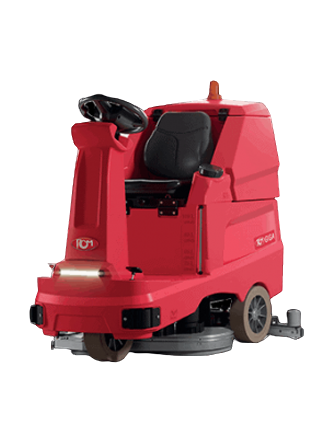
- Ride-On Scrubbers: Suited for large, open areas such as warehouses, airports, and shopping centres. They cover more ground quickly, reduce operator fatigue, and are preferred for high-frequency or high-volume cleaning tasks.
WACER Product Examples:
- RCM Byte II 511T Walk-Behind Scrubber: Compact, battery-powered, and ideal for medium to large surfaces. Features eco-friendly modes and low noise for sensitive environments.
- RCM Mega 802D Lithium Walk-Behind Scrubber: High-capacity, robust, and suitable for warehouses, workshops, and large retail spaces. Offers variable brush pressure and advanced water recovery for efficient, safe cleaning.
Specialty Scrubbers
- Orbital Scrubbers: Vibrate at high speed for deep cleaning and stripping without harsh chemicals. Excellent for textured or anti-slip floors.
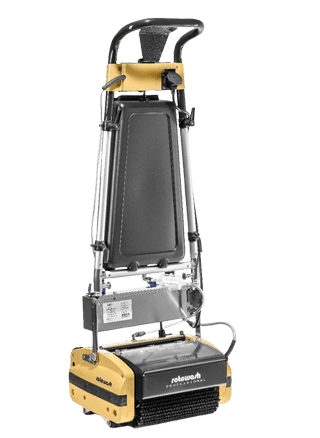
- Cylindrical Scrubbers: Use counter-rotating brushes to clean textured surfaces and grout lines, ideal for tile and safety flooring.
Matching by Floor Type
- Tile: Use walk-behind or compact ride-on scrubbers with soft brushes or pads to avoid scratching. Cylindrical or orbital heads are best for grout cleaning.
- Concrete: Opt for ride-on or heavy-duty walk-behind models with stiff bristle brushes and adjustable pressure. Ensure strong water recovery to prevent slip hazards.
- Vinyl: Choose machines with gentle, pH-neutral pads and low water flow. Avoid abrasive brushes and excessive moisture to protect the wear layer.
WACER Expert Tip: Always measure your narrowest aisles and doorways before selecting a scrubber. Oversized machines may not fit, leading to inefficient cleaning and potential damage.
WACER offers a comprehensive range of commercial and industrial floor scrubbers, tailored for Australian conditions:
- Walk-Behind Models: Compact and manoeuvrable, ideal for retail, healthcare, and education. Examples include the RCM Byte II 511T and MIRA 40.
- Large Walk-Behind and Ride-On Models: Designed for warehouses, logistics hubs, and manufacturing. The RCM Mega 802D Lithium and RCM GIGA are standout options for high-capacity cleaning.
- Robotic Scrubbers: For facilities seeking automation and consistent, trackable cleaning, WACER partners with leading brands to offer robotic solutions that free up staff for higher-value tasks.
Selection Guidance by Cleaning Frequency:
- Daily Cleaning: Opt for robust, battery-powered walk-behind or ride-on models with large tanks and quick-drying features. The RCM Mega 802D Lithium is engineered for daily use in high-traffic environments.
- Weekly/Periodic Cleaning: Compact walk-behind models like the RCM Byte II 511T provide flexibility and are easy to store between uses.
- High-Intensity/Industrial Cleaning: Heavy-duty ride-on models with adjustable brush pressure and advanced water recovery are essential. WACER’s GIGA and Mega series are built for these demands.
WACER Expert Tip: Consult with WACER’s specialists to match machine features—such as tank size, brush type, and power source—to your facility’s unique needs. This ensures maximum ROI and cleaning effectiveness.
Brushes, Pads, and Pressure: Customising for Floor Type
Brush and Pad Selection
- Soft Brushes/Pads: For delicate surfaces like vinyl, sealed wood, or polished stone. Use white or red pads for light cleaning, blue or green for standard scrubbing.
- Stiff Bristle Brushes: For concrete, textured tile, and heavily soiled areas. Black or green pads are suitable for aggressive cleaning and stripping.
- Cylindrical Brushes: Best for textured floors and grout lines, as they agitate dirt from crevices.
Pressure Settings: Adjustable brush pressure allows you to tailor cleaning intensity. Use lower pressure for sensitive floors and higher pressure for stubborn grime on concrete or industrial surfaces.
WACER Expert Tip: Replace brushes and pads regularly—worn components reduce cleaning efficiency and can damage floors. Inspect monthly and rotate or replace as needed.
Water, Detergent, and Recovery Settings: Best Practices
Water and Detergent Management
- Water Flow: Adjust water flow based on floor type and soil level. Too much water can damage vinyl or wood and increase drying times; too little may leave residue on concrete or tile.
- Detergent: Use pH-neutral, low-foam detergents for most commercial floors. Avoid harsh chemicals on vinyl and stone to prevent etching or wear.
- Recovery: Efficient vacuum recovery systems are essential for leaving floors dry and safe, reducing slip risks and downtime.
WACER Expert Tip: Always test cleaning solutions on a small, inconspicuous area before full-scale use. Follow manufacturer dilution guidelines to avoid residue and protect your machine’s internal components.
Power Options: Battery, Corded, and Engine-Driven Scrubbers
Choosing the Right Power Source
- Battery-Powered (Lithium or Lead-Acid): Offer cordless convenience, ideal for large or obstacle-filled spaces. Lithium batteries provide longer runtimes, faster charging, and lower maintenance compared to traditional lead-acid batteries.
- Corded Electric: Suitable for small areas with easy access to power outlets. Provide unlimited runtime but limited mobility.
- Engine-Driven (LPG/Diesel): Rare in indoor Australian settings due to emissions but useful for large, ventilated, or outdoor areas.
Australian Operations Consideration: Battery-powered models are increasingly preferred for their flexibility, safety, and compatibility with sustainability goals. WACER’s lithium-powered scrubbers are built for Australian conditions, offering robust performance and minimal downtime.
WACER Expert Tip: Always check battery health and charge after each use. For lithium batteries, avoid full discharge and store at partial charge when not in use to extend lifespan.
Safety, Drying Time, and Slip Risk Management
Ensuring Safe, Dry Floors
- Efficient Water Recovery: Modern scrubbers with powerful vacuum systems leave floors dry in a single pass, reducing slip hazards and allowing immediate re-use of cleaned areas.
- Squeegee Maintenance: Inspect and replace squeegee blades regularly to ensure effective water pickup and streak-free results.
- Operator Training: Proper training reduces accidents, improves cleaning quality, and extends equipment life. WACER provides training and support to ensure safe, effective operation.
WACER Expert Tip: Always use wet floor signage during cleaning and until floors are fully dry. In high-traffic or public areas, schedule cleaning during off-peak hours to minimise slip risks.
Maintenance and Lifecycle Tips for Scrubbers
Daily, Weekly, and Monthly Maintenance
- Daily: Empty and rinse recovery and solution tanks, clean brushes and squeegees, check battery charge, and wipe down the machine.
- Weekly: Inspect hoses and filters, check for leaks, rotate brushes, and lubricate moving parts.
- Monthly: Test vacuum and drive systems, inspect electrical connections, and schedule professional servicing as needed.
Lifecycle Management: Regular maintenance extends machine life, reduces repair costs, and ensures consistent cleaning results. Keep a maintenance log and follow manufacturer service intervals to protect your investment and warranty.
WACER Expert Tip: Stock spare parts (brushes, squeegees, filters) to minimise downtime. Schedule annual professional servicing for heavy-use machines.
Cost, ROI, and Procurement Options: Buy, Rent, or Lease
Understanding Total Cost of Ownership (TCO)
- Initial Purchase Price: Varies by model, size, and features. Entry-level walk-behind scrubbers start around $2,000–$5,000, while high-end ride-on models can exceed $10,000.
- Consumables and Maintenance: Brushes, pads, squeegees, and batteries require periodic replacement. Budget 10–15% of machine cost annually for consumables and service.
- Labour and Productivity Savings: Automated scrubbers can reduce cleaning time by up to 60%, delivering rapid ROI—often within 12–24 months for high-traffic facilities.
Procurement Options
- Buy: Best for businesses with ongoing, high-frequency cleaning needs and capital to invest.
- Rent: Ideal for short-term projects, seasonal peaks, or trialling equipment before purchase.
- Lease-to-Own: Spreads costs over time, preserves cash flow, and often includes maintenance packages.
WACER Expert Tip: Consult with WACER’s team to calculate your facility’s cleaning area, frequency, and labour costs. This will help determine the most cost-effective procurement strategy and model selection for your needs.
Operator Training and Productivity Tips
Training for Optimal Results
- Initial Training: Covers machine operation, safety procedures, brush and pad selection, and daily maintenance. Proper training reduces equipment damage by up to 68% and improves cleaning efficiency by 40%.
- Refresher Courses: Recommended every 6–12 months or when new staff or equipment is introduced.
- Efficiency Techniques: Teach operators to plan cleaning routes, adjust settings for floor type, and monitor water and detergent usage for best results.
WACER Expert Tip: Document all training sessions and require operator sign-off. Well-trained staff deliver better cleaning outcomes, reduce slip risks, and extend machine life.
Case Studies and Industry Applications in Australia
Real-World Success Stories
- Retail Chains: National supermarket chains have deployed robotic scrubbers to automate daily cleaning, achieving consistent results and freeing staff for customer service. One major grocer reported cleaning over 20 million square metres with autonomous machines, reducing labour costs and improving hygiene.
- Healthcare Facilities: Hospitals and aged care centres use compact, low-noise walk-behind scrubbers for daily cleaning of vinyl and tile floors, minimising disruption and maintaining infection control standards.
- Warehouses and Manufacturing: Large ride-on scrubbers with stiff brushes and high-capacity tanks are used for daily or weekly cleaning of concrete floors, reducing dust, slip risks, and maintenance costs.
- Education: Schools and universities benefit from versatile walk-behind models that can clean classrooms, corridors, and gymnasiums efficiently and safely.
WACER Expert Tip: Standardising equipment across multiple sites simplifies training, maintenance, and spare parts management, delivering consistent cleaning quality and lower operational costs.
WACER Expert Tips and Common Mistakes to Avoid
Top WACER Expert Tips
- Measure Twice, Buy Once: Always measure your narrowest aisles and doorways before selecting a scrubber to ensure it fits your space.
- Match Brush and Pad to Floor Type: Use soft brushes for vinyl and delicate floors, stiff brushes for concrete, and specialty heads for textured or anti-slip surfaces.
- Adjust Water and Detergent Settings: Too much water can damage floors and increase drying times; too little may leave residue. Always follow manufacturer guidelines.
- Prioritise Safety: Maintain squeegees and recovery systems to leave floors dry and safe. Use signage and schedule cleaning during low-traffic periods.
- Maintain Regularly: Daily, weekly, and monthly maintenance routines prevent breakdowns, extend machine life, and protect your investment.
- Train Operators Thoroughly: Well-trained staff deliver better results, reduce equipment damage, and improve safety.
Common Mistakes to Avoid
- Neglecting Maintenance: Skipping daily or weekly checks leads to breakdowns and costly repairs.
- Using the Wrong Brush or Pad: Abrasive brushes on vinyl or soft pads on concrete reduce cleaning effectiveness and can damage floors.
- Overlooking Power Requirements: Choosing a corded machine for a large, obstacle-filled space limits productivity and increases trip hazards.
- Ignoring Drying Time: Inadequate water recovery or worn squeegees leave floors wet, increasing slip risks and downtime.
- Focusing Only on Upfront Cost: Cheaper machines may have higher long-term costs due to frequent repairs, poor cleaning results, and shorter lifespans.
Conclusion: Making the Right Choice for Your Facility
Selecting the best floor scrubber for your cleaning frequency and floor type is a strategic investment in your facility’s safety, appearance, and operational efficiency. By understanding your floor materials, cleaning demands, and the unique features of modern scrubbers, you can achieve superior results, reduce costs, and protect your flooring assets for years to come.
WACER’s expert team is ready to help you assess your needs, recommend the ideal machine, and provide ongoing support—from operator training to maintenance and spare parts. Whether you’re buying, renting, or leasing, WACER delivers tailored solutions for Australian businesses, ensuring you always have the right tool for the job.
Ready to transform your cleaning operations? Contact WACER today for a personalised scrubber selection guide and experience the difference that expert advice and quality equipment can make.